
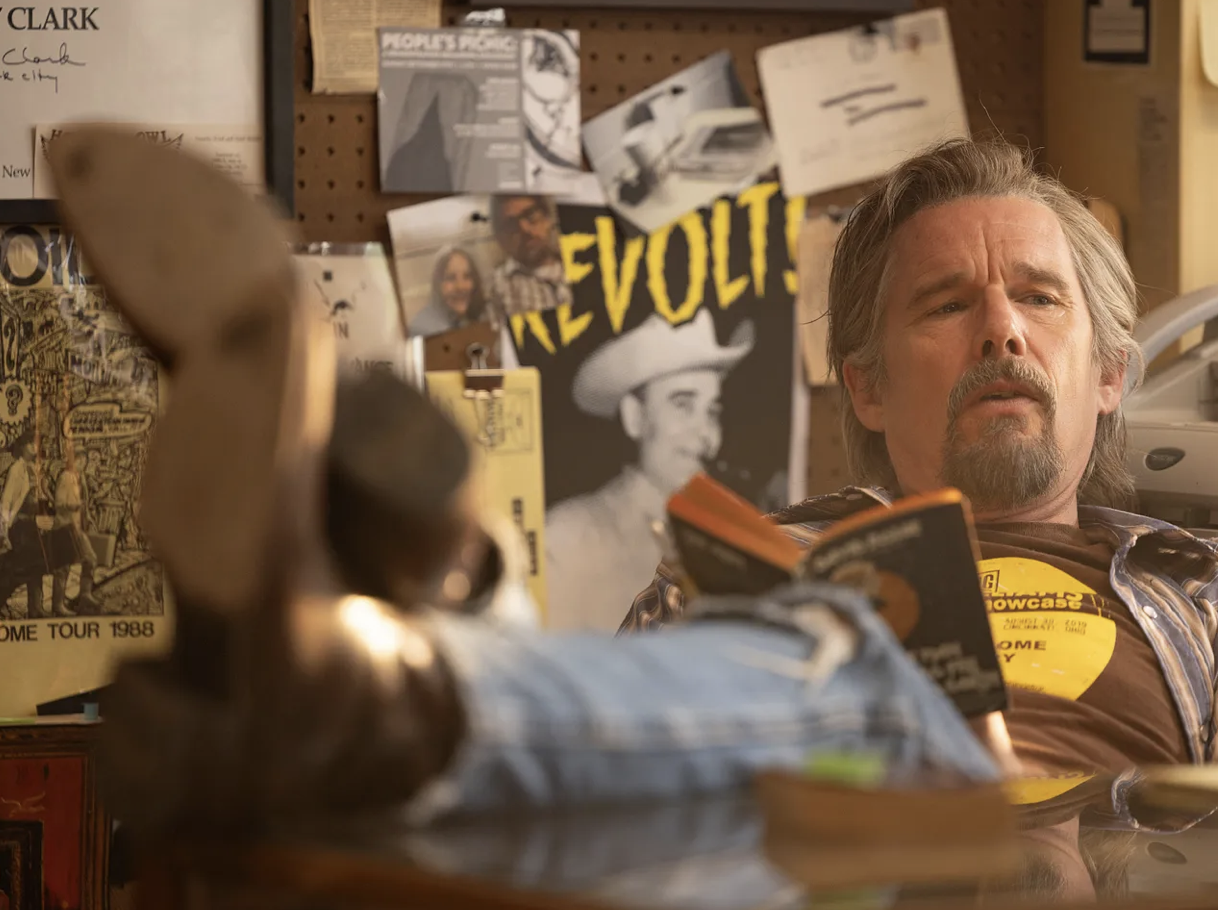
FULL DISCLOSURE: I have a real soft spot for Oklahoma, having worked there several times and having loved the people I’ve met while working, so I am inclined to relish The Lowdown (now finishing up its season on FX). But even if I’d never stepped foot there, I would still admire writer-director Sterlin Harjo’s new show for the genuineness, quirkiness, humor, and melancholy lying beneath its Sooner State clay.
Lee Raybon (Ethan Hawke) is a rare-books dealer in Tulsa, and a self-described “truthstorian,” which he defines thus: “I read stuff, I research stuff, I drive around and I find stuff. Then, I write about stuff. Some people care, some people don’t. . . . Let’s just say I’m obsessed with the truth.” He is chronically injured, broke, and somewhat hapless, but he’s undaunted in uncovering the seedy underbelly of “respectable” Tulsans, notably the most influential family in town: the Washbergs. One Washberg, Donald (Kyle MacLachlan), is running for governor; his black-sheep brother Dale (Tim Blake Nelson) was a closeted oddball who may or may not have committed suicide. Lee is determined to investigate Dale’s death, and along the way unearths a more sinister layer of corruption and greed tied to white nationalism that threatens to eradicate North Tulsa’s black and Native-American community, in addition to Lee himself.
In Sterlin Harjo’s skillful and imaginative hands, what could be dark and dispiriting is, mercifully, not. Like Harjo’s previous show, Reservation Dogs, The Lowdown is rollicking and sometimes rambling, but is always bright, fun, and entertaining. The scripts are clever, the repartee between characters is fast-paced and witty, and the cast is a delightful combination of both novice and seasoned actors, several hailing from Tulsa itself, including Tim Blake Nelson, Tracy Letts, and Jeanne Tripplehorn.
“Authenticity” is the word that comes to mind about this series. Harjo knows all the nooks and crannies of Tulsa and its environs, and he wants his viewers to get comfortable with them as well. We go from North Tulsa to rural countryside, from mansions to public housing, from cookouts to honky-tonk bars, from cattle auctions to the Italianate gardens of the Philbrook Museum. We see the whole range of humanity in Tulsa too, from misguided do-gooders like Lee, to religious extremist Nazis hellbent on domination. Everything under the vast, open Oklahoma sky is ripe for examination. Harjo doesn’t shy away from Tulsa’s seedier side or its complicated history—its Reign of Terror on the Osage Nation and the Tulsa Race Massacre in Greenwood—but he also has great affection and tolerance for his city. As his teenage daughter Francis (Ryan Keira Armstrong) says to Lee, “The way you write about Tulsa, there’s bad things about it, but underneath, it’s really good.” Lee Raybon is a personification of Tulsa: messy, a bit worse for wear, but full of heart and fervor, surviving sometimes despite himself. There is an ease with which Lee relates to all the business owners in town, from the literary editor of the Heartland Press to the decidedly lowbrow editor of the Tulsa Beat—“You read my paper?” asks Cyrus (“Killer Mike” Render), “It’s booty and bad guys.”—Lee approaches all of them the same way, asking for forgiveness and begging for favors.
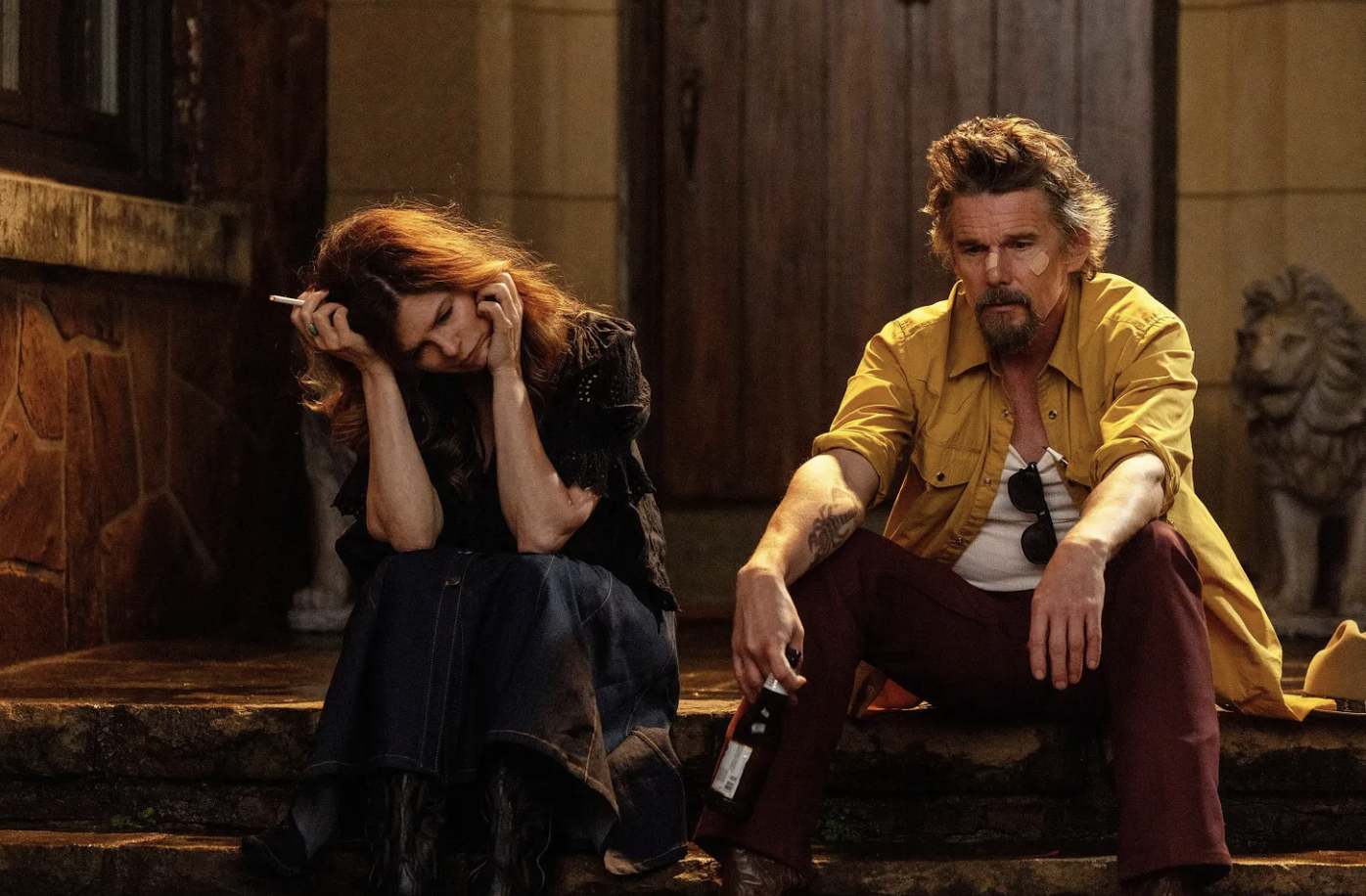
THE LOWDOWN DOESN’T SHY AWAY from intellectualism; in fact it runs toward it with open arms and dares to meld the intellect to Oklahoma’s cowboy spirit so that it becomes homey and even rebellious. The intellect isn’t something pretentious or effete, it’s active and enriching. And is in complete opposition to the dead-eyed Nazi preacher (Paul Sparks), demanding thoughtless devotion and vengeance from his cult-like congregation (yeah, it rings an eerie and unsettling bell for me as well). Lee’s articles drive real change and hopefully march toward cultural and political progress. The cultural-intellectual life and politics go hand in hand on this show. Lee’s “sidekick” and his savior, private detective Marty (Keith David), quotes Percy Bysshe Shelley. Dale Washberg, who cherished his complete first-edition collection of Jim Thompson crime novels, becomes like a Thompson, neo-noir character himself after his death. While reading his secret writings, Dale speaks to Lee from the grave in surrealistic, poetic monologues about his complex, hidden life and the circumstances of his death, which help Lee and others solve past and present crimes. And in the end, Lee, a rare-book lover, saves the day—with plenty of help from non-literary folks in his orbit—and rides off into the sunset on his white steed (well, in his white, busted-up van).
As a murder mystery, it falters. The detective work of solving who-did-what-to-whom isn’t what captivated me. What I loved was the huge assortment of personalities Lee encounters all along his adventures, like an Okie Gulliver’s Travels. In fact, there are so many characters sometimes that it’s hard to keep track. The Lowdown is a friendly, garrulous uncle who repeatedly references people you hardly know as if you are intimately familiar with them: “Wait, whoare you talking about now?” But that’s also part of its charm. There are so many wonderful performances, but some standouts are Kyle MacLachlan as the fragile-egoed, compromised politician, Michael Hitchcock as a gossipy local antiques dealer, Dale Dickey as a beaten-down mom in survival-mode, Tracy Letts in a role I won’t explain (you can thank me later), and Jeanne Tripplehorn, who along with Ethan Hawke and Tim Blake Nelson, are the beating hearts of the show. Tripplehorn turns what could have been a stereotypical femme fatale—the widow with secrets—into a fully fleshed out portrait of someone who has survived and thrived through grit, determination, looks, and smarts. There is a soulful and mournful quality to her performance. She makes what in lesser hands could be a two-dimensional role a real, fleshed-out, vibrant woman. When you watch the coda of the finale, you’ll see exactly what I mean.
Like Jeanne Tripplehorn’s performance, The Lowdown’s melancholy underneath its liveliness and good humor is enchanting. A sense of loss and loneliness permeates the series, and gives heft to its jocular storytelling. Lee is still in love with his ex-wife, who also still loves him, even though she is trying to make a new life with a more stable man. He wants to be a solid father-figure to Francis, but Lee knows he’s constantly falling short and that his daughter, though thirteen, is more emotionally mature than he is in his fifties. His scenes navigating fatherhood with Francis are touching and honest. Lee is battered and bruised fighting bad guys, but he is also beaten up by self-destruction and living hand-to-mouth. No matter how many people Lee surrounds and distracts himself with or how many rabbit holes he clambers down, at the end of the day he still sleeps alone in the attic on a mattress on the floor of his bookstore. Ethan Hawke’s metamorphosis from clean-cut leading man in his early career to edgy character actor in middle-age is truly impressive, and in The Lowdown this grizzled transformation works beautifully for him.
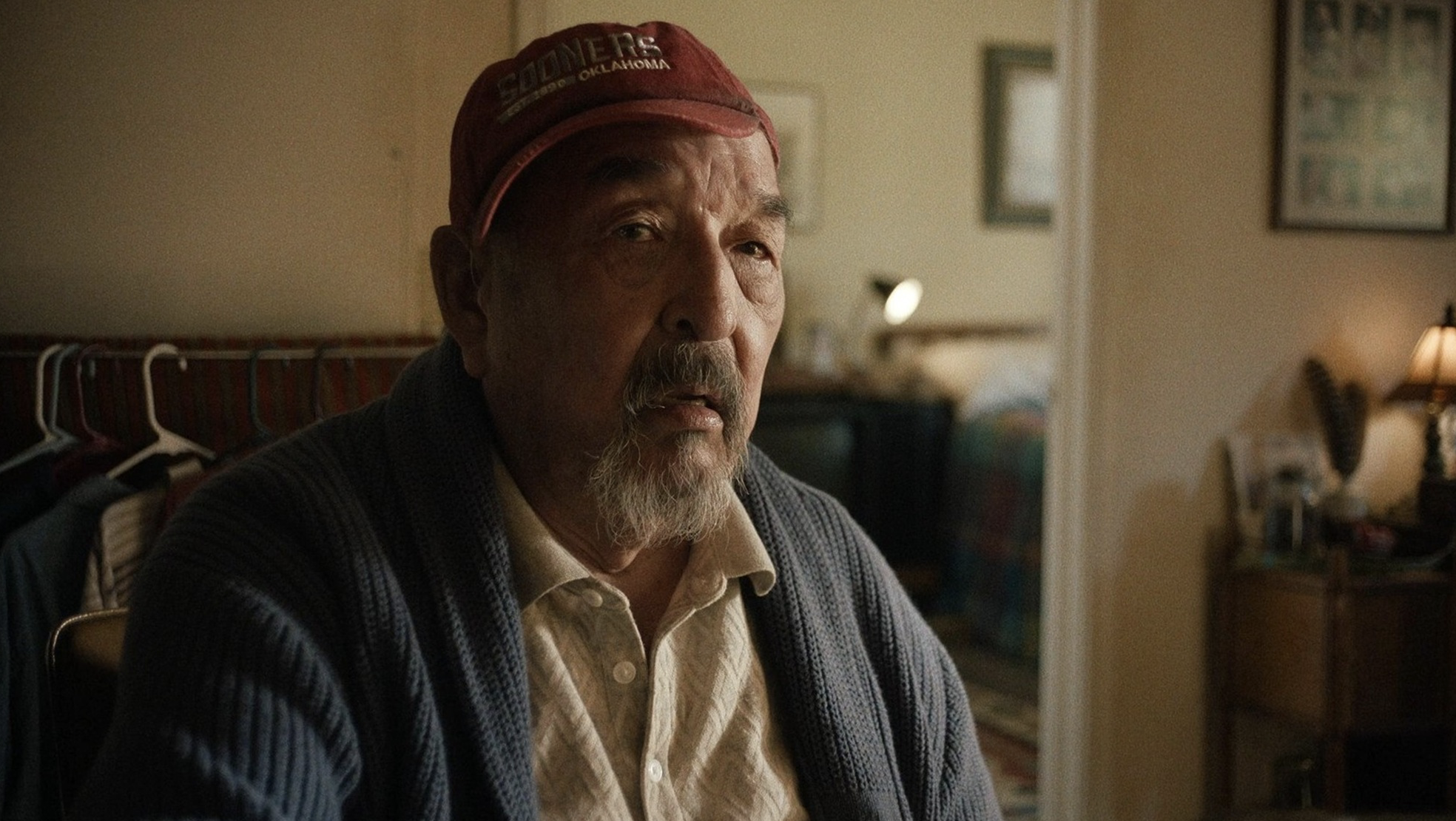
And I’d be remiss if I didn’t mention Graham Greene in his final performance. As usual and as always, it is stunning in its simplicity and directness. Almost painful, knowing it was his last, and Sterlin Harjo dedicates the episode, “Old Indian Trick,” as a tribute to him. It brought tears to my eyes.
With Reservation Dogs, and now The Lowdown, Sterlin Harjo wants us to know that Oklahoma isn’t flyover country. He asks us to delve deeply into Oklahoma’s history and nature, both the good and the bad, and recognize that Tulsa is a culturally rich, vibrant town, filled with humor, heart, and bittersweet longing. Oklahoma’s new state motto is, “Imagine That,” and in The Lowdown, Sterlin Hajo’s imagination does exactly that.